

At the Law Office of Will M. Helixon, we understand the unique challenges military personnel face when navigating legal issues.
Defending America's Warriors in Japan
Military Lawyers in Japan
Military lawyers in Japan for the 60,000 American service members serving under United States Forces, Japan. We defend personnel from the first CID interview through the court-martial, and everything that follows it, from separation boards to VA claims.
Warrior Advocates™
0
Contested Boards
0
+
Contested Trials
0
+
Clients Advised
0
+
Locations
Seven Major U.S. Military Bases in Japan We Cover
USFJ
Yokota Air Base
Headquarters of United States Forces, Japan, 28 miles northwest of Tokyo. Home of Fifth Air Force, the 374th Airlift Wing and 32 tenant units.
JOINT SERVICE
Misawa Air Base
The only combined joint service installation in the Western Pacific, in Aomori. Home of the 35th Fighter Wing and Japan Air Self-Defense Force partners.
SEVENTH FLEET
Yokosuka Naval Base
Headquarters of the U.S. Seventh Fleet, on a peninsula 30 miles southwest of Tokyo. Home port of the USS George Washington, a nuclear-powered carrier.
View More
U.S. ARMY JAPAN
Camp Zama
Home of U.S. Army Japan, in Kanagawa Prefecture. Hosts I Corps (Forward), the 311th Military Intelligence Battalion and the Japan Engineer District.
MARINE AVIATION
MCAS Iwakuni
Home of Marine Aircraft Group 12 and Carrier Air Wing Five, in Yamaguchi Prefecture, 25 miles from Hiroshima and 600 miles from Tokyo.
NAVAL AVIATION
NAF Atsugi
The U.S. Navy’s largest air base in the Pacific, 23 miles southwest of Tokyo. Home of the MH-60R helicopter detachments in Kanagawa Prefecture.
PACIFIC FLEET
Sasebo Naval Base
Provides logistic support for forward-deployed units of the U.S. Pacific Fleet. Shares the port with the Japan Maritime Self-Defense Force on Kyushu.
Contact Us
Talk to a Military Lawyer About Your Case in Japan
Confidential consultations arranged to fit your duty day. If you need a military lawyer in Japan for a court-martial or an investigation, we are reachable 24/7.
U.S. Military Presence in Japan
United States Forces, Japan (USFJ)
U.S. forces have been stationed in Japan under the Treaty of Mutual Cooperation and Security since 1960, commanded by United States Forces, Japan, from its headquarters at Yokota Air Base. About 60,000 military personnel serve across the Army, Marine Corps, Navy, Air Force and Space Force, alongside 35,000 dependents.
U.S. installations in Japan run from Aomori Prefecture in the north to the island of Kyushu in the south, and most are shared with Japanese forces. The Air Self-Defense Force runs its Air Defense Command from Yokota, Japanese ground forces train alongside U.S. Army units at Camp Zama, and the Maritime Self-Defense Force shares the port at Sasebo.
Year SOFA Signed
0
Military Personnel
~
0
Service Branches
0
Dependents
~
0
Practice Areas
Our Legal Services
Need a military attorney in Japan for an investigation, a GOMOR, a clearance review, or a court-martial? Our Warrior Law Team™ covers the whole range of military justice work. Don’t see your exact issue here? Call us.
01 Investigation Representation
- AR 15-6 Investigations (Before Adverse Actions)
- Criminal Investigations (Before Adverse Actions)
- Command-Directed Investigations
- SHARP Investigations
- Inspector General (IG) Investigations
- AR 15-6 Adverse-Findings Rebuttal (O-1 & above)
02 Discharge Upgrade
- Appeal – Discharge Review Board (DRB) Appeal/Petition
- Appeal – DoD Discharge Appeal Review Board (DARB)
- Rebuttal – DoD Discharge Appeal Review Board
03 Court-Martial Defense
- Special & General Courts-Martial
- Summary Court-Martial Representation/Preparation
- Article 32 Preliminary Hearings
- Appeals to the Service Courts of Criminal Appeals
04 GOMOR & Reprimands
- GOMOR Rebuttals & Appeals
05 Criminal Records & Titling Removal
- Amendment – Indexing in Criminal Records Database
- Titling – Drafting "Memorandum of Titling Explanation"
- Titling – Request to Expunge Titling/Criminal Database Records
06 Sexual Assault Defense
- Contested Article 120/120b/120c Sexual Assault Charges
- Sexual Assault Court-Martial Defense
- Office of Special Trial Counsel (OSTC) Matters
07 Security Clearance Representation
- Appeal – Defense Office of Hearings and Appeals (DOHA)
- Appeal – Personnel Security Appeals Board (PSAB)
- Appeal – Security Clearance Revocation
- Rebuttal – Security Clearance Revocation
- Rebuttal – Letter of Intent (LOI) to Revoke & Statement of Reasons (SOR)
- Rebuttal – Letter of Revocation (LOR)
08 Administrative Separation Defense
- Representation – Administrative Separation Boards (ADSEP)
- Representation – Boards of Inquiry (BOI) or "Show Cause" Boards
- Representation – Administrative Reduction Boards
- Representation – Army Clemency and Parole Boards (ACPB)
- Rebuttal – Administrative Separation Rebuttal (Chapter Packets)
- Rebuttal – Administrative Reduction Boards
Case Studies & Success Stories
How Our Military Lawyers Have Helped
Case Outcome: DUI GOMOR Contained — Major’s Career and Dignity Preserved
The Case
A Seventh Army Training Command major crashed his vehicle off-post with a .15 BAC, received a career-threatening GOMOR for DUI, and faced devastating damage to his reputation, promotion potential, and family stability.
The Result
The commanding general ordered the GOMOR locally filed, sparing his record, protecting promotion eligibility, and giving a recovering officer a rare, hard-earned second chance to serve and lead.
Our Strategy
Our senior counsel built a deep, honest relationship, confronted the major’s alcohol abuse, encouraged treatment, guided transparent disclosure to his chain of command, and reframed the incident as a turning point in recovery — not a reason to end a proven officer’s career.
We Highlighted:
- Single-incident DUI in a long, otherwise exemplary career.
- Immediate enrollment in Army substance-abuse treatment.
- Full honesty with the chain of command about addiction, triggers, and progress.
- Documented leadership and continued value to the unit despite this lapse.
Case Outcome: Faulty EO Investigation Overturned — New Fair Inquiry Ordered
The Case
Deployed in a toxic environment, a senior NCO reported sex discrimination and harassment by her OIC and commander. Her disorganized EO complaint led to a flawed AR 15-6 that ignored witnesses and cleared both officers.
The Result
The brigade commander granted our appeal, rejected the defective findings, and ordered a brand-new AR 15-6 with a different IO, finally giving our client a genuine path to justice.
Our Strategy
Our Warrior Advocates rebuilt the case from scratch, organizing facts, interviewing overlooked witnesses, documenting regulatory violations, and crafting a powerful appeal package, an eight-page legal memo, a 17-page client statement, and targeted exhibits demanding a new investigation.
We Highlighted:
- Pattern of gender-based comments, humiliation, and retaliation by her leaders.
- IO ignored key witnesses and cherry-picked evidence.
- Multiple credible witnesses confirming her professionalism and targeted mistreatment.
- Clear AR 15-6 and AR 600-20 violations undermining any claim of fairness.
Case Outcome: Article 15 Minimized — Retirement-Safe Rank Preserved
The Case
A long-serving Senior Master Sergeant faced an Article 15 for allegedly assaulting (Art. 120 (ASC), a junior officer, while demonstrating hair-length regulations, risking a reduction in rank that could cost his family tens of thousands in pay and hundreds of thousands in retirement benefits.
The Result
The MAJCOM commander found him guilty only of less-serious offenses, issued an admonishment, and allowed him to keep his rank, thereby fully protecting his career and hard-earned retirement.
Our Strategy
We submitted a detailed written presentation explaining the brief, instructional nature of the contact, highlighting inconsistencies in witness accounts, his remorse, exemplary 22-year record, and the devastating financial impact a demotion would have on his family.
We Highlighted:
- Contact was brief, gentle, and intended only to show uniform-seam ponytail limits.
- Lieutenant’s immediate reaction was measured; no contemporaneous signs of fear or distress.
- 22 years of flawless service, numerous decorations, and no prior counseling.
Case Outcome: Sex-Assault Charges Withdrawn — Specialist Regains Path Forward
The Case
An Army specialist was accused of sexual assault after an alcohol-fueled encounter with a civilian in an off-post hotel, mainly based on her statements and a friend’s concerns, and he faced a referred court-martial, possible confinement, sex-offender registration, and loss of his Army career if convicted.
The Result
After reviewing our submission and the in-depth interview, OSTC withdrew the referred court-martial, allowed him to complete alcohol rehabilitation, and he continued serving without a conviction or sex-offender registration.
Our Strategy
We mapped the inconsistencies across her statements, texts, and timeline, showed that both parties’ drinking clouded her account, and presented a cooperative specialist with a clean record already in treatment.
We Highlighted:
- Multiple inconsistencies between her various statements, text messages, and other documented events.
- Alcohol use by both parties clouded memory and supported a reasonable doubt.
- The specialist’s cooperation, lack of prior misconduct, and willingness to seek alcohol treatment.
What To Expect
How We Defend Service Members in Japan
An investigation or a court-martial in Japan means two legal systems, two languages, and a career decided far from home. Our military defense lawyers in Japan take you through every stage of a case, so you always know the next step before it arrives.
Initial Case Review
We examine the allegation, the charges, and every piece of evidence.
Strategy Development
We build the defense around your record, your unit, and your goal.
Defense Preparation
We verify the evidence, then find what the investigation missed.
Making Your Case
We present the defense to the board, the panel, or the judge.
Protecting Your Career
We handle what follows: clearances, discharges, VA claims.
Office Address
Our Japan Office
7F Fuji, Building 40, 15-14 Sakuragaokacho,
Shibuya-ku, Tokyo, 150-0031, Japan


Advantages
Our Advantages in Japan
SOFA Experience
Our attorneys have handled SOFA work at SHAPE and with host-nation governments. Jurisdiction questions are routine here, not unfamiliar law.
Free Initial Consultation
A free 15-minute consultation, no obligation. Find out what you are actually facing and what happens next, before you decide anything.
Veteran-Led
LTC (Ret.) Will M. Helixon served 26 years as an Army judge advocate. He leads a team of former military prosecutors and defense counsel.
Lifetime Advocate
Our team covers investigations, boards, courts-martial, and VA claims. We defend you from the first CID interview to the last appeal.
The U.S.–Japan SOFA
Understanding the SOFA in Japan
SOFA status is not immunity. You get procedural protections under the agreement, but Article XVI holds you to Japanese law, and one incident can produce both a Japanese case and a court-martial.
The 1960 SOFA
The agreement was signed on 19 January 1960 under Article VI of the Treaty of Mutual Cooperation and Security. Article XVII is the provision that decides who prosecutes you.
Who Prosecutes
Japan can prosecute any offense under its own law. The U.S. takes the lead only where the act was performed in the line of official duty or the victim was another American.
Custody Window
If you are already in American hands, custody stays with the United States until Japan charges you. You are handed over then, not on the night itself.
Our Team
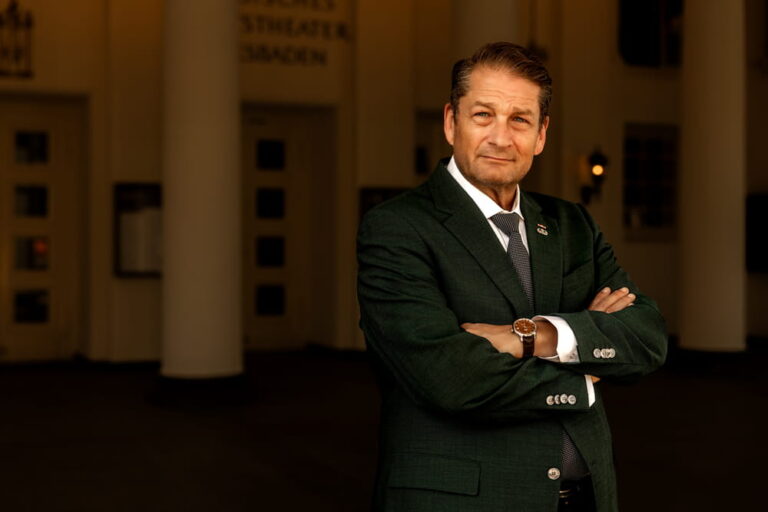
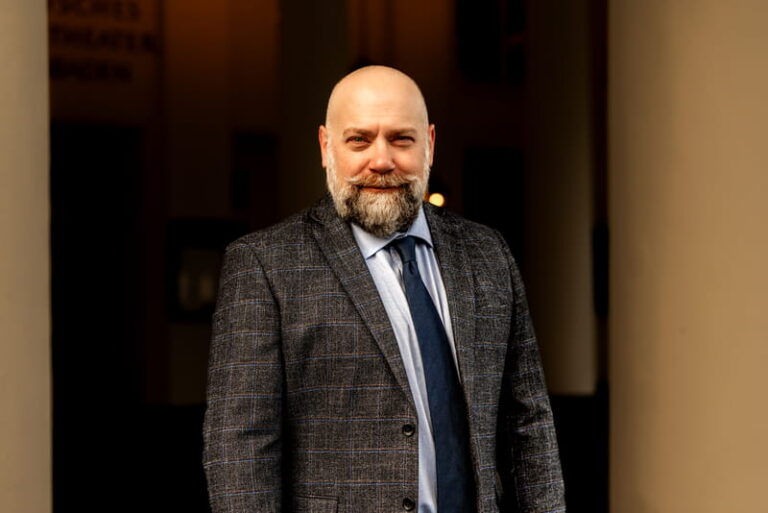
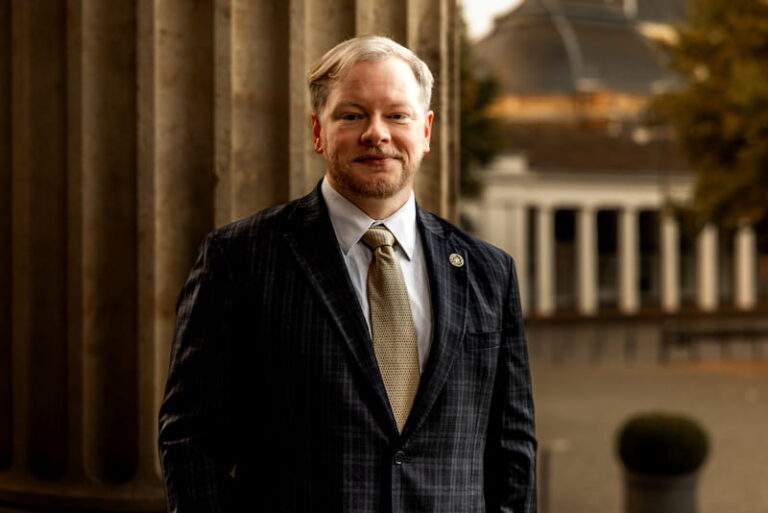
Your Military Defense Team for Japan
Why Choose Us
Why Choose the Law Office of Will M. Helixon?
Choosing a military lawyer in Japan to stand beside you is the first decision in your case that is entirely yours. Here is why Warriors make it ours.
Former Prosecutors
Trial counsel, special victim prosecutors, chiefs of military justice. The lawyers reading your file for the defense once wrote files like it.
Worldwide Practice
Offices in Europe and the United States mean a PCS out of Japan changes your address, not your lawyer. The file goes where you go.
Digital Forensic Experts
Our digital forensics partners examine every device in the case with us. Evidence that supports your defense does not go unnoticed.
We Investigate Too
CID investigates to build a case. We investigate to test one, which means the witnesses the government skipped still get interviewed.
Defense Options
Civilian Defense Counsel vs. TDS vs. Self‑Representation
Military Trial Defense Service (TDS) attorneys are competent professionals — but they are overworked, cannot be chosen, and often carry 30+ cases simultaneously. Here is how your options compare:
| Feature | Self-Represented | TDS (Free Mil. Counsel) | LOWMH Lawyers |
|---|---|---|---|
| Dedicated Time to Your Case | ✗ | — | ✓ |
| Choice of Attorney | ✗ | — | ✓ |
| Deep Trial Experience | ✗ | — | ✓ |
| Independent Investigators & Experts | ✗ | — | ✓ |
| Handles Boards, Clearances & Appeals | ✗ | ✗ | ✓ |
| Available 24/7 | ✗ | ✗ | ✓ |
Dedicated Time to Your Case
Self-Represented
✗
TDS
—
LOWMH Lawyers
✓
Choice of Attorney
Self-Represented
✗
TDS
—
LOWMH Lawyer
✓
Deep Trial Experience
Self-Represented
✗
TDS
—
LOWMH Lawyers
✓
Independent Investigators & Experts
Self-Represented
✗
TDS
—
LOWMH Lawyers
✓
Handles Boards, Clearances & Appeals
Self-Represented
✗
TDS
✗
LOWMH Lawyers
✓
Available 24/7
Self-Represented
✗
TDS
✗
LOWMH Lawyers
✓
“TDS counsel are dedicated professionals who serve honorably. This comparison reflects structural constraints of the military defense system, not individual capability. You have the right to hire civilian counsel in addition to or instead of TDS.”
Frequently Asked Questions
What Service Members in Japan Need to Know
How Do I Find a Military Lawyer in Japan?
Look outside Japan. A court-martial is a federal military proceeding, so any attorney licensed in a U.S. jurisdiction and admitted before military courts can defend you at Yokosuka, Yokota, Misawa or Iwakuni without holding a Japanese law license. Start with the free Trial Defense Service counsel already assigned to you, then decide whether you also want civilian counsel.
How Do I Choose a Military Lawyer?
Read the firm’s website, then read the attorney bios behind it. You are looking for specific experience rather than general claims: courts-martial tried to verdict, time on the government side as trial counsel or a special victim prosecutor, and cases handled overseas under a SOFA. Then talk to the lawyer before you sign anything. A first consultation tells you whether the person explains the process plainly, answers the question you actually asked, and is someone you want beside you for the next year.
Where Are U.S. Military Bases in Japan?
They run from Aomori Prefecture in the north to Kyushu in the south. Yokota Air Base sits about 28 miles northwest of Tokyo, and Yokosuka Naval Base is on a peninsula roughly 30 miles southwest of it. Camp Zama and Naval Air Facility Atsugi are in Kanagawa Prefecture. MCAS Iwakuni is in Yamaguchi Prefecture, about 25 miles from Hiroshima. Sasebo Naval Base is on Kyushu, and Misawa Air Base is 425 miles north of Tokyo.
How Many U.S. Soldiers Are Stationed in Japan?
About 60,000 U.S. military personnel are stationed in Japan, drawn from the Army, Marine Corps, Navy, Air Force and Space Force, so most are not soldiers in the strict sense. With them are roughly 35,000 dependents, 7,000 Department of Defense civilian and contractor employees and 25,000 Japanese workers. Yokosuka is the largest concentration at more than 24,000, followed by Yokota at over 14,000.
Why Does the U.S. Have Military Bases in Japan?
A treaty puts them there. The Treaty of Mutual Cooperation and Security was signed on 19 January 1960, and Article VI grants the United States the use of facilities and areas in Japan. Article V of the same treaty is the mutual defense commitment those forward-deployed forces exist to honor. Which facilities the U.S. actually uses is decided by both governments through the Joint Committee.
Need a Military Lawyer in Japan ?
Stationed in Japan and facing an investigation, court-martial, nonjudicial punishment, or separation board? Speak confidentially with a military attorney.

Schedule Your Appointment Today
Set an Appointment
A quick, confidential first step
What To Expect
Defense for Service Members
Ready to Defend You
Our experienced team is ready to provide the expert defense and guidance you deserve.
When Everything’s on the Line
When your freedom, family, career, or financial future is at stake, our military lawyers use decades of trial-honed skill to aggressively advocate for you.
Free | Discuss legal concerns at no cost.
15 Minutes | Speak with experienced attorneys.
Confidential | Covered by attorney-client privilege.
Recent Posts
OPM Suitability Appeals After August 3, 2026: What Actually Changed
FY25 U.S. Military Sexual Assault Statistics on Case Dispositions
OPM’s New Probationary Employee Rules: Appeal Rights and Month-10 Meeting
New Military Grooming Standards Reach All Six Services
MRE 502: Attorney-Client Privilege in Military Investigations
FY25 Annual Report on Sexual Assault in the Military: A Defense Analysis
Performance Now Outranks Veterans’ Preference in a RIF: OPM’s New RIF Rules
Military Rules of Evidence: Preserve Your Defense
When AI Writes the AR 15-6 Investigation Findings
OPM’s New RIF Appeal Rules: What Federal Employees Need to Know

The Law Office of Will M. Helixon is committed to providing expert legal support tailored specifically for military personnel. Whether you face complex legal challenges or need advice, we’re here to help you navigate the process confidently and skillfully.
Contact Information
Germany:
+49 152 29900341
USA:
913-353-6466
Email:
info@helixongroup.com
Stay Connected
Helpful Resources
Warrior Testimonials
Warrior Blog
MCM (2024) & UCMJ
Veterans Crisis Line
Military OneSource
ABA Military Pro Bono Project
Modern Military Assn of America
NVLSP Pro Bono Program
Veterans Affairs (VA)
Questions for Civilian Attorneys
Join Our Team
Case Evaluation Form
Client Survey
Client Intake Form
In-House Financing Application
Insights & Growth
At the Law Office of Will M. Helixon, we’re committed to continuously improving this website to enhance your experience. We’d love to hear from you if you have suggestions for making the site more useful or user-friendly. Please send your feedback to our webmaster at webmaster@helixongroup.com.
*Military images and videos on this website are either from the Law Office of Will M. Helixon’s internal library or public domain materials from the Library of Congress and the Defense Visual Information Distribution Service (DVIDS). Please note that using visual information from the U.S. Department of Defense (DoD) does not imply or constitute endorsement by the DoD. All other images and videos are licensed from stock image and video services.
This site is protected by reCAPTCHA and the Google Privacy Policy and Terms of Service apply.
Copyright © 2025 The Law Office of Will M. Helixon
Close Menu
- Home
- About
- Advocates
- LTC (R) Will M. Helixon
- COL (R) Matthew Krause
- Regan Kulhavy, Esq.
- LTC (R) John Caulwell
- LTC (R) Elizabeth Talarico
- LTC (R) Mary Ritzmann
- MAJ (R) Kyle Meisner
- MAJ (R) Andre Le Blanc
- MAJ (R) Cadman R. Kiker
- MAJ (R) Victoria Camire
- Genie Hughes, ESQ.
- Laura Kiker, Esq.
- Natalia Helmsing, ESQ.
- Stefany Garrick, Esq.
- Linda Aguilera, Esq.
- Robert Newark, Esq.
- Scott Brokaw, J.D.
- MAJ (R) EJ Gladding
- Services
- Lawyers for Veterans
- Court-Martial Practice Areas
- Adverse Administrative Actions
- Responses, Rebuttals, and Appeals to Administrative Matters
- Chapter Packet Rebuttals
- Army Adverse Information Program (AAIP) – Lawyer
- CID Titling and Criminal Records Indexing
- General Officer Memorandum of Reprimand (GOMOR) – Will M. Helixon
- Nonjudicial Punishment Appeals – Law Office of Will M. Helixon
- Nonjudicial Punishment (Article 15) Representation by a Military Lawyer
- QMP Board – Qualitative Management Program
- Security Clearance Revocation – SOR Response
- Administrative Investigations – Will M. Helixon
- Affirmative Administrative Actions – Will M. Helixon
- Centralized Administrative Boards – Will M. Helixon
- Local Administrative Boards – Will M. Helixon
- Responses, Rebuttals, and Appeals to Administrative Matters
- Locations
- Payments
- Videos
- Blog
- Contact
- Appointments